
Vehicle Branding London Businesses Notice
- Tom Karolczak

- 13 hours ago
- 6 min read
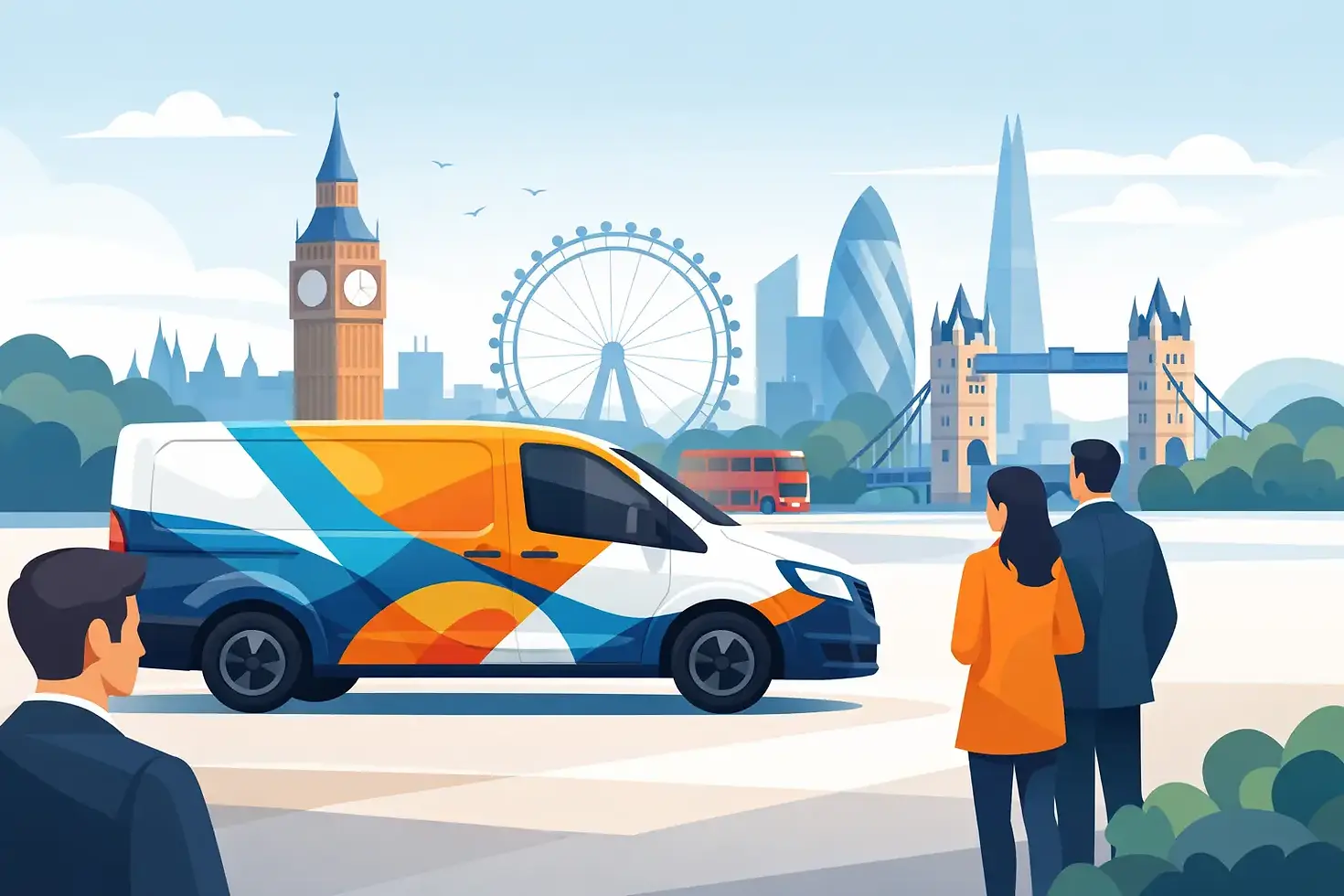
A branded van stopped at lights on the North Circular is not just waiting in traffic. It is being seen by drivers, pedestrians, customers and potential customers. That is why vehicle branding London businesses invest in needs to do more than display a logo. It needs to look professional at speed, remain clear at close range and stand up to the daily demands of city driving.
For tradespeople, delivery firms, service businesses and fleet operators, vehicles are among the most visible assets they own. For private owners, a colour change wrap, dechrome finish or carefully applied graphic can create a sharper, more individual look while helping to preserve the original paintwork. The right result starts with a clear purpose, good design and fitting carried out to a high standard.
Why vehicle branding works so well in London
London gives branded vehicles a level of exposure that many fixed advertising placements cannot match. A van may travel from a residential job in Bromley to a commercial site in Canary Wharf, then spend the afternoon parked on a busy high street. The same branding is seen repeatedly, often by people within the exact areas a local business serves.
Unlike a short campaign, vehicle graphics work every day the vehicle is on the road. There is no need to keep buying ad space, and a properly specified wrap or set of graphics can continue to present the business well for years. The value depends on mileage, routes and how long the vehicle is kept, but for businesses already running vehicles, branding turns an existing cost into a practical marketing opportunity.
Visibility is only part of the benefit. A clean, consistent fleet also builds confidence. Customers are more comfortable opening the door to a clearly marked engineer, accepting a delivery from a recognisable vehicle or approaching a company that looks established and organised. For businesses competing for local work, that reassurance matters.
Start with the job your vehicle needs to do
There is no single correct level of branding. A sole trader with one van may need a straightforward layout with a logo, services, telephone number and web address. A growing company may need a repeatable design that works across vans, cars and larger vehicles. A coach or bus can accommodate a much more ambitious visual campaign, but the artwork still needs to be readable and suitable for its operating environment.
The first decision is whether you need vinyl lettering, printed graphics, a partial wrap or a full wrap. Cut vinyl lettering is a cost-effective option for clear business information and simple logos. Printed panels make sense where photography, gradients, detailed illustrations or a larger campaign message are needed. A partial wrap uses selected areas of the bodywork to create a strong change without covering every panel. A full wrap delivers maximum impact and can completely transform the vehicle.
The best choice depends on budget, vehicle type and the message. More coverage is not automatically better. A busy design on a small car can be harder to read than a confident, well-spaced layout. Equally, a large van with only a small logo can miss an opportunity to communicate what the business actually does.
Make the message readable before making it clever
London roads move quickly and attention is limited. Your company name, core service and contact route should be easy to absorb in a few seconds. Avoid overloading the side of a vehicle with every service, accreditation and sales message. A clear hierarchy is more effective: brand first, key offer second, contact details where they can be found without searching.
This is especially important when vehicles are parked. Side panels are valuable advertising space, while rear doors can work well for a concise message that follows traffic. Window graphics need careful planning too. Perforated vinyl can provide privacy and visual continuity on suitable rear windows, but visibility and legal requirements must always be respected.
Design for the real vehicle, not a blank screen
A vehicle is not a flat poster. It has handles, swage lines, fuel caps, sensors, doors, wheel arches and curved panels that can affect how graphics sit. Professional vehicle branding begins with accurate templates and an understanding of where important information should, and should not, go.
Good design uses the vehicle shape rather than fighting it. A strong line may follow a body contour. A large image might work across a flat side panel but be unsuitable across multiple door gaps. Text near handles and seams can become difficult to read or look untidy once installed. These details separate branding that feels considered from branding that looks like it has simply been placed on a vehicle.
Colour choices need the same practical thinking. Bright, high-contrast colours can attract attention, but they must still reflect the business. Darker finishes can look premium, while reflective elements may be useful for vehicles working early mornings, evenings or on roadside sites. Brand consistency matters, but durability, legibility and the setting in which the vehicle operates should guide the final specification.
Materials and fitting determine the finish
The appearance of a newly fitted wrap is important. Its appearance after months of rain, road grime, washing and regular use is more important. Quality vinyl, appropriate laminates and professional printing all help protect colour and detail from everyday exposure. The material needs to suit the application, whether it is a short-term campaign, a long-term fleet wrap, a colour change or protective film.
Installation is equally critical. Panels should be thoroughly cleaned and prepared, with time allowed to work accurately around complex areas. Poor fitting can lead to lifting edges, trapped dirt, visible joins and graphics that fail early. A well-installed wrap should sit cleanly around contours and present a polished finish from every angle.
Vehicle condition also affects the result. Damaged paint, rust, loose lacquer and poorly repaired panels may need attention before vinyl is applied. Wrap film is not a repair product, and applying it over unstable surfaces can compromise adhesion. Honest advice at the start avoids costly disappointment later.
Plan around operational downtime
For commercial customers, a vehicle off the road is not simply an inconvenience. It can mean missed appointments, delayed deliveries and lost revenue. The scope of the work affects fitting time, with simple graphics often completed more quickly than a full wrap or complex fleet project. Preparing artwork, approving layouts and booking vehicles in a sensible sequence all help keep disruption to a minimum.
For fleets, consistency is essential. Using agreed artwork, colour references and production standards ensures the fifth van looks as professional as the first. It also makes future additions easier, whether a business buys another vehicle, replaces an older van or needs matching graphics after bodywork repairs.
CarWrap24 provides a complete service covering bespoke design, in-house vinyl printing and professional installation, so customers can manage the branding process through one experienced team. That joined-up approach reduces the risk of artwork being designed without fitting considerations, or materials being selected without understanding how the vehicle will be used.
Branding that protects as well as promotes
Commercial wrapping is often seen purely as advertising, but vinyl can also help protect underlying paint from light scratches, stone chips and day-to-day wear in covered areas. This can be useful for leased vehicles, higher-value cars and fleets where presentation supports resale value.
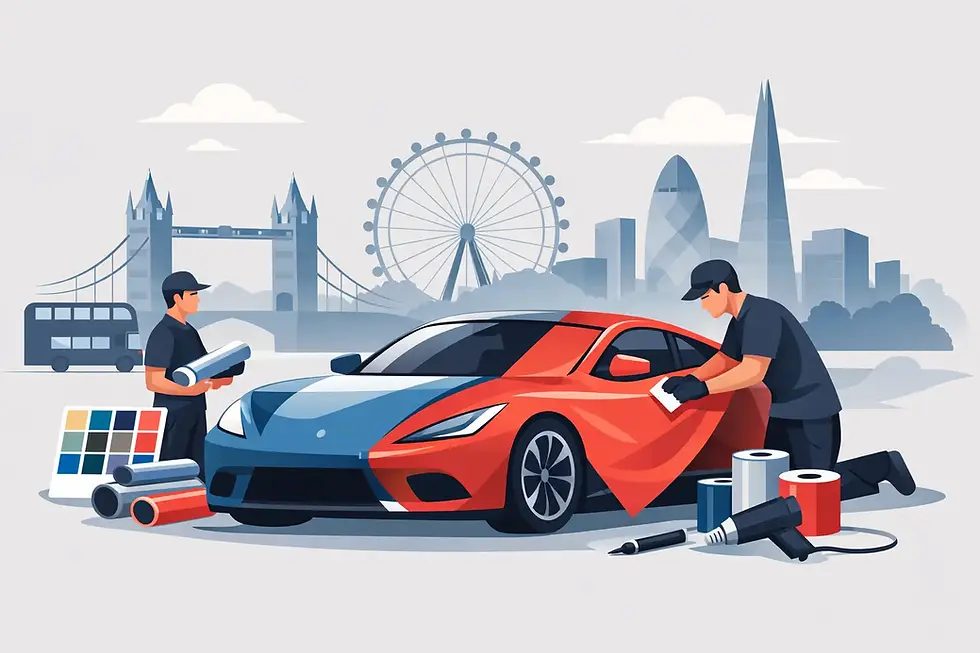
For private owners, this protection is often a key reason to choose a colour change wrap rather than a permanent respray. A wrap can alter the appearance of the car while leaving the factory paint underneath intact when properly maintained and professionally removed. Dechrome treatments can create a more refined look by changing bright trim to gloss black, satin black or another finish that suits the vehicle.
Paint protection film is a separate solution for owners who want to retain the original colour while shielding vulnerable areas. It is particularly useful on front bumpers, bonnets, mirrors and sills, where road debris and regular use take their toll. The right option depends on whether the priority is brand visibility, a new look, paint preservation or a combination of all three.
Look after the finish once it is fitted
A wrap does not need complicated maintenance, but it does benefit from sensible care. Wash the vehicle regularly to remove traffic film, bird droppings and contaminants, using suitable cleaning products and avoiding abrasive tools. If pressure washing, keep an appropriate distance from edges and avoid directing high pressure directly at seams.
Parking under cover when possible, cleaning spills promptly and following the installer’s aftercare guidance will help preserve the finish. If a panel is damaged, it can often be replaced without redoing the whole vehicle, provided the original artwork and material specification have been retained.
A vehicle should make the right impression before anyone has spoken to your business. Whether you need a single van brought up to standard, a fleet that looks consistent across London, or a car that feels more like your own, start with a design that has a clear job to do and a finish built to last.


Comments