
Stealth PPF Review - Is Matte Protection Worth It?
- Tom Karolczak

- Aug 7
- 6 min read
A good stealth ppf review should start with the finish, not the sales pitch. Stealth paint protection film gives gloss paint a refined satin or matte appearance while adding a physical barrier against the stone chips, light scratches and road grime that London driving can bring. Done well, it can make a familiar vehicle look completely different without committing to a permanent respray.
For owners of Teslas, performance cars and premium daily drivers, that combination is the attraction. The question is whether the cost, care requirements and installation process genuinely make sense for your vehicle.
What Is Stealth PPF?
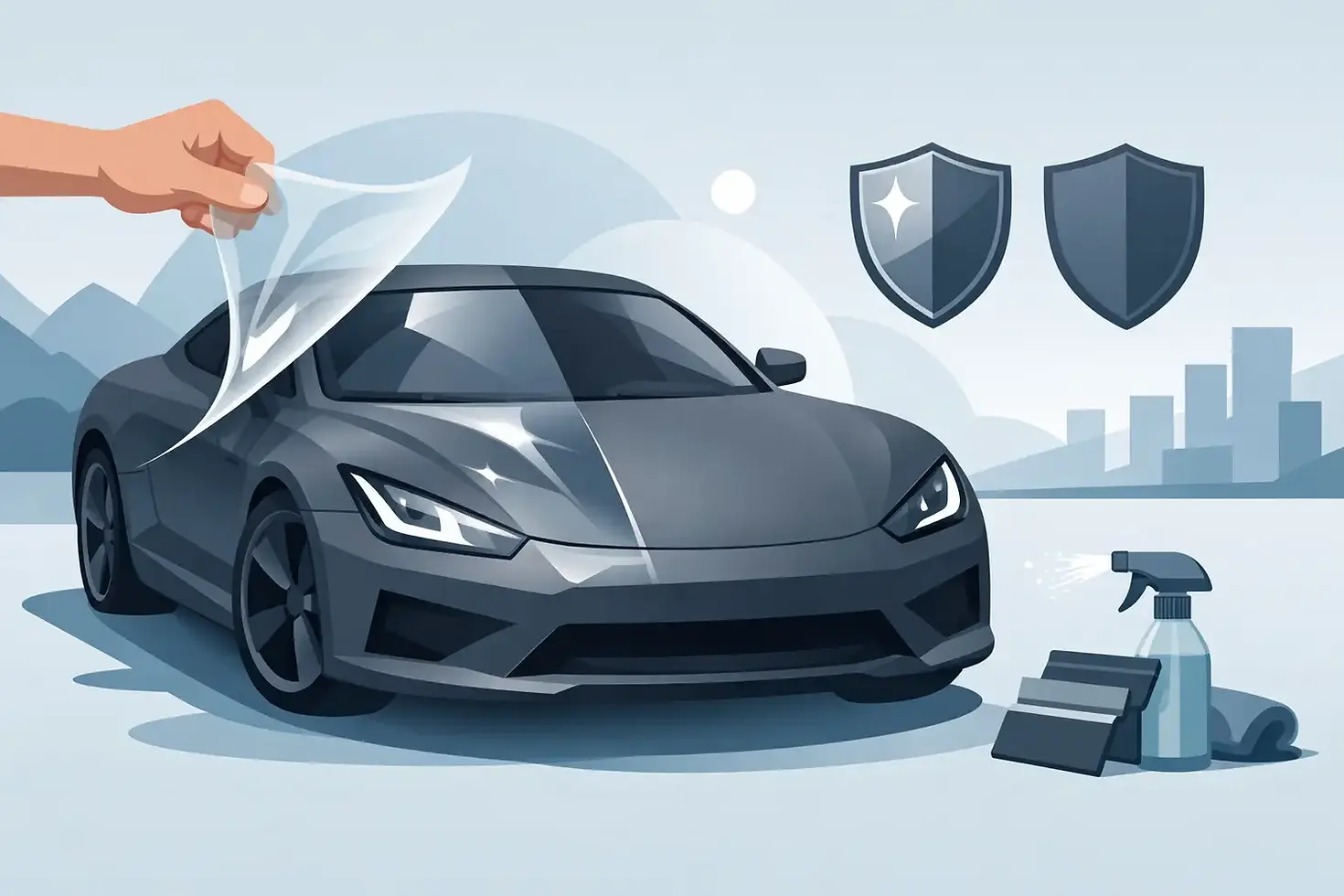
Stealth PPF is a paint protection film with a satin or matte surface. Applied over gloss paint, it changes the visual character of the panels beneath it. A black car becomes more purposeful and understated; a bright factory colour takes on a softer, more technical look. Unlike a colour-change vinyl wrap, the original paint colour still influences the final appearance.
The film also performs the core role of PPF: protecting vulnerable painted surfaces from everyday damage. It is thicker than standard wrapping vinyl and designed to absorb the impact of loose stones, grit and minor scuffs before they reach the paintwork. Many premium films also have self-healing properties, allowing light surface marks to reduce with warmth.
That is a significant distinction. A matte colour wrap is primarily a styling product. Stealth PPF is a protection-led finish with a styling benefit. The right choice depends on whether preserving the factory paint matters as much as changing the look.
Stealth PPF Review: The Benefits That Matter
The first benefit is the finish itself. Satin PPF removes the highly reflective look of gloss paint without making the vehicle appear flat or cheaply modified. On well-prepared panels, it gives body lines more definition and can make modern vehicles look more premium. This is particularly effective on cars with large, clean panels, including Teslas, Range Rovers and executive saloons.
Protection is the stronger long-term argument. A front bumper, bonnet, wings, mirrors and lower doors can take constant punishment from motorway grit, poor road surfaces and tight urban parking. Full coverage gives those panels a sacrificial layer, helping to keep the paint beneath in better condition. For leased vehicles, cherished cars and newer vehicles with strong resale potential, this can be a sensible investment.
There is also a practical advantage over a respray. The factory paint remains in place, and quality film can be removed professionally later. If your plans change, or you sell the vehicle, the original gloss finish is still there rather than hidden under a permanent paint alteration.
Stealth PPF can make cleaning easier too, although it is not maintenance-free. The film creates a consistent surface across the vehicle and avoids the waxing routine often associated with gloss paint. A suitable matte-safe wash process will help preserve the even finish.
Where Stealth PPF Has Limitations
The most common misunderstanding is that PPF makes a car invulnerable. It does not. It is highly effective against light scratches, road debris and day-to-day wear, but it cannot guarantee protection from every impact, deep scrape or accident. Kerb damage, severe panel dents and aggressive contact can still damage both the film and the paint beneath.
It also will not conceal poor paintwork. Stone chips, lacquer defects, deep scratches and previous repairs can remain visible through the film. In some cases, fitting PPF over damaged paint may make the defect more noticeable because the satin surface changes how light sits on the panel. Preparation is therefore a major part of the job, not an optional extra.
Another consideration is consistency. Stealth PPF changes gloss paint to satin, but it will not automatically match exterior plastics, gloss black trims or unpainted textured sections. These details need to be planned before fitting. Some owners prefer the contrast; others want a more complete satin appearance through carefully selected additional wrap work.
Finally, not every paint colour produces the same result. Dark colours often create a dramatic satin finish, while lighter metallic colours can look softer and more subtle. A professional installer should discuss expectations clearly and, where possible, show samples against the actual vehicle colour.
Full Coverage or Front-End Protection?
A full stealth PPF installation is the right option when the visual transformation is as important as protection. Every painted panel receives the satin finish, creating a uniform result and shielding the complete bodywork. This suits owners planning to keep a vehicle for several years or those who want a distinctive, premium finish without repainting.
Front-end coverage is more focused. It typically protects the bumper, bonnet, wings and mirror caps, which are the areas most exposed to stone chips. It is a practical route for drivers who mainly want protection but do not wish to change the whole vehicle’s appearance. However, applying stealth film only to selected gloss-painted panels will create an obvious satin-to-gloss contrast.
That is why partial stealth PPF is usually chosen for vehicles that already have a matte or satin factory finish. If your car is gloss and you want the stealth look, full coverage is normally the cleaner visual decision.
Installation Quality Makes the Difference
Film quality matters, but installation quality determines whether the finished car looks factory-level or merely covered. Complex bumpers, sharp swage lines, recessed handles, cameras, sensors and panel edges all require careful planning. A rushed fit can leave visible seams, trapped contamination, lifted corners or unnecessary joins across prominent areas.
Professional preparation begins with a thorough wash and decontamination, followed by paint inspection. Any correction work should be agreed before the film is applied. The panels must then be prepared in a controlled, clean environment so dust and debris do not become trapped beneath the material.
Patterns should be accurately cut for the vehicle, and film should be positioned to minimise visible edges where possible. Experienced fitters will also understand how to handle mirrors, bumpers and difficult curves without overstretching the film. This protects both the appearance and the durability of the installation.
At CarWrap24, the focus is on assessing the vehicle and the intended finish before work begins, so customers know where protection will deliver value and what the final satin effect will look like. That consultation is particularly useful where a vehicle has existing paint repairs, gloss trim or unusual bodywork details.
How to Look After Matte Paint Protection Film
Stealth PPF does not need complicated care, but the wrong products can spoil the even satin appearance. Avoid abrasive polishes, conventional waxes designed to add shine and products that leave a glossy residue. These can create patchy areas that look different under sunlight.
Use a pH-neutral shampoo, clean wash mitt and separate buckets where possible. Rinse grit away before touching the panels, especially after motorway use. A pressure washer can be used with sensible distance and care, but do not direct high pressure at film edges, badges or areas where the film terminates.
Bird droppings, tree sap and fuel spills should be removed promptly. They can mark any exterior surface if left too long. Matte-safe protection products may be used where appropriate, but the goal is not to create shine. It is to keep the finish clean, even and protected.
Is Stealth PPF Worth the Cost?
For a vehicle you intend to keep, drive regularly and present well, stealth PPF can be worth it. You receive a complete aesthetic change and meaningful paint protection in one installation. It is especially compelling when the alternative is a matte respray, which is permanent and offers no sacrificial film layer.
The investment is less straightforward for a short-term car, a vehicle with significant existing paint damage, or an owner who simply wants a new colour at the lowest possible cost. In those cases, a high-quality colour-change wrap may be more suitable. It offers broader colour options and a lower entry point, though with less impact protection than PPF.
Pricing depends on vehicle size, panel complexity, chosen coverage, paint condition and the amount of preparation required. A simple coupe is very different from a large SUV with complex bumpers and numerous trim sections. The most useful quote is one based on an in-person assessment, not a generic figure that overlooks the detail.
If you like the understated satin look and want your original paint to remain protected beneath it, stealth PPF is one of the strongest finishing options available. The right result starts with honest advice, careful preparation and a fitting standard that looks as good close up as it does at the kerbside.


Comments